← 返回博客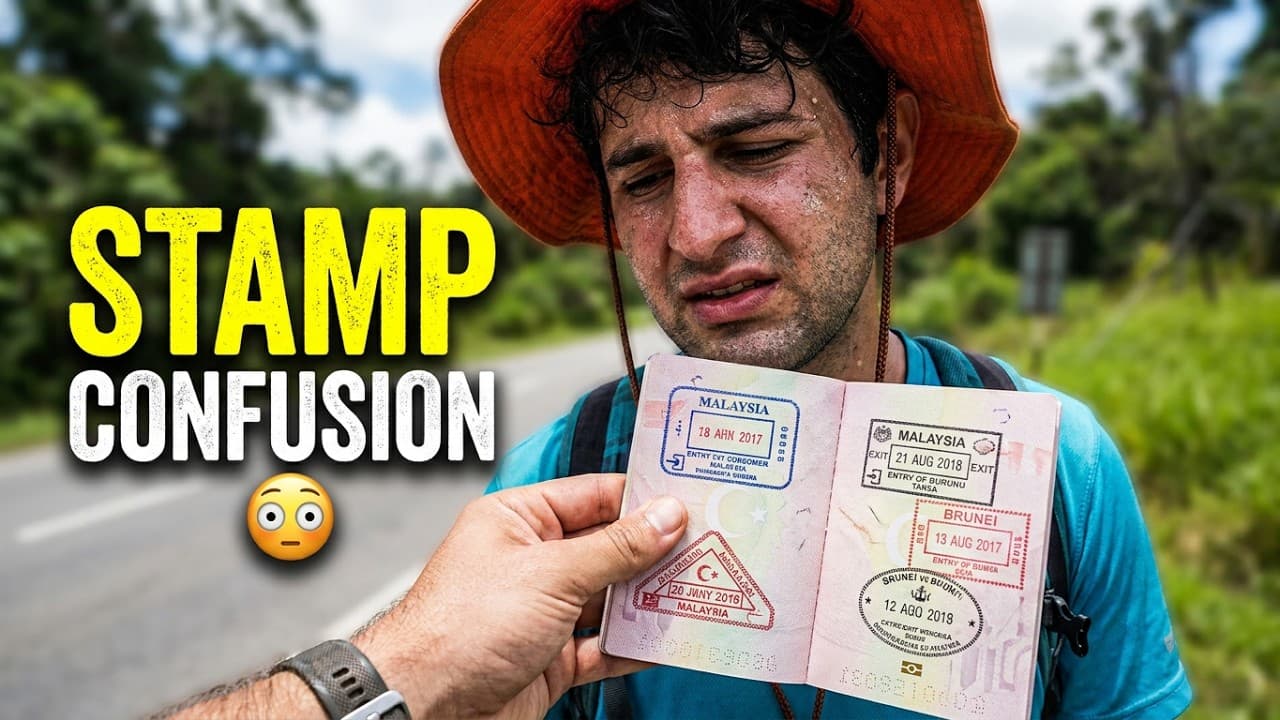
2026年8月18日
Hitchhiking Sarawak to Sabah: Why You Still Need a Passport
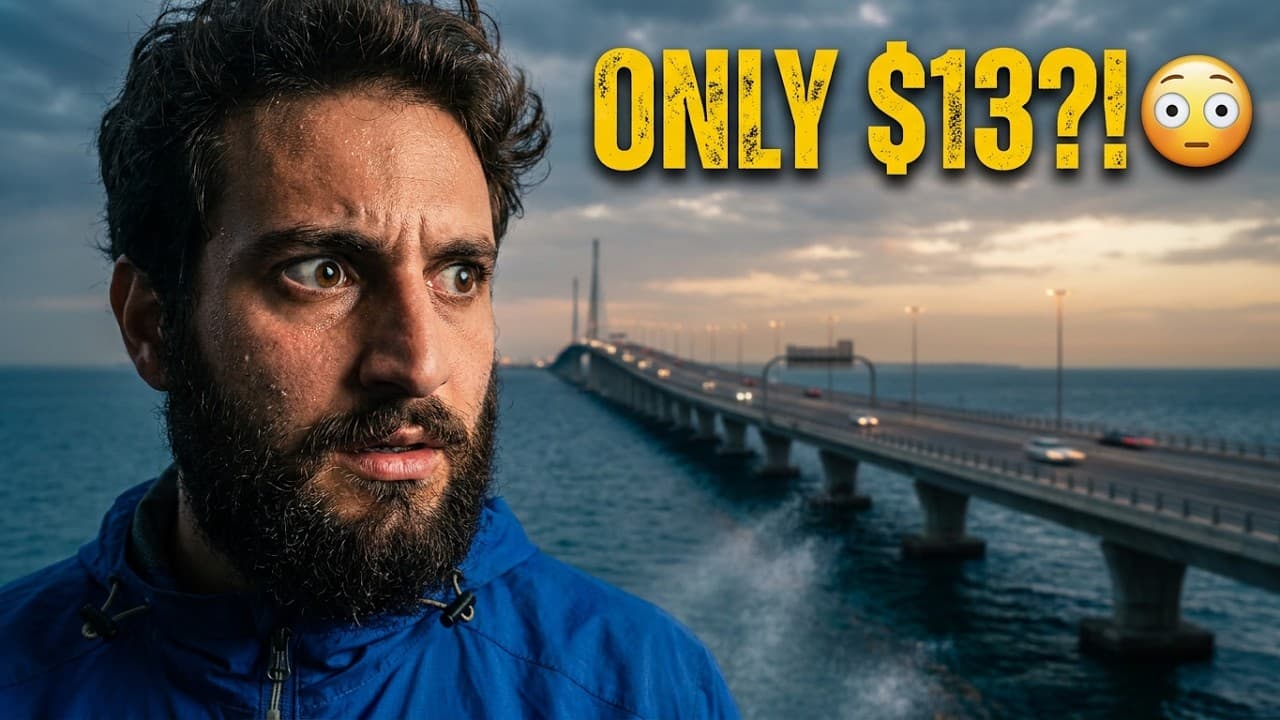
Leaving Brunei behind, the plan was simple: get back into Sarawak and keep hitchhiking east toward Kota Kinabalu. What actually happened on the road turned into one of the more unpredictable days of this whole Borneo run, and it's also where I learned firsthand that hitchhiking Sarawak to Sabah still means carrying a passport, even though both states belong to the same country.
The first ride of the day came from a local family, and what should have been a straightforward lift turned into something neither of us expected. Instead of driving us partway and dropping us off, they ended up taking us much further than planned, all the way to a ferry crossing. We boarded with them, car and all, watching the vehicle get loaded onto the same boat we were standing on. It was on that ferry that the day's biggest surprise showed up: an immigration check. Sarawak and Sabah are both part of Malaysia, but each state runs its own immigration control at the border between them, a leftover of the autonomy both states negotiated when they joined the Malaysian federation in 1963. Practically, that means a hitchhiker riding along with a local family still gets a passport stamped crossing from Sarawak into Sabah, not so different in that one respect from crossing an international border. It's a detail that catches a lot of travelers off guard, since nothing else about the trip feels like leaving the country.
Beyond the ferry and the immigration counter, the day was really about the people along the way. It was Ramadan, and that shaped the rhythm of everywhere we stopped: quieter streets during the day, a different kind of energy building as the hours moved on. Locals we met were generous with directions, conversation, and rides, the same hospitality that had carried this hitchhiking route since the Brunei border. In between rides, there was also a more mundane errand: trying to get a broken phone working again, ducking into shops along the way to see what could be done before the search for the next ride started back up. None of it was glamorous, but it's the kind of detail that ends up defining a hitchhiking day more than any single landmark does.
For anyone thinking about hitchhiking Sarawak to Sabah on this same stretch, the route runs from the Brunei border back into Sarawak and then on toward Sabah, with a ferry crossing built into the journey rather than a straight overland drive the whole way. Hitchhiking it means depending entirely on whoever is willing to stop, so the shape of the day is never fixed in advance, a single ride can turn into a much longer favor than expected, the way this one did. Anyone attempting this route should keep a passport on hand for the Sarawak-Sabah crossing itself, treat the ferry portion as a normal part of the trip rather than a detour, and expect the day to run long between rides, waiting, and the crossing itself. Traveling during Ramadan adds its own rhythm too, worth planning around if the timing lines up, since meal times and street activity shift around the fast.
By the time Kota Kinabalu came into view, the day had gone from a simple plan, get back into Sarawak and keep moving toward Sabah, to a small tour through one local family's generosity, a ferry ride that came with an unexpected stamp in the passport, and a stretch of Ramadan-lit streets in between. Whatever came next once the city was reached is its own story. This one belongs to the road itself: the ride that went further than it needed to, the checkpoint that shouldn't have felt like a border but did, and the reminder that even inside one country, hitchhiking can still hand you a passport stamp you didn't see coming.
最初发布于 YouTube