← 返回博客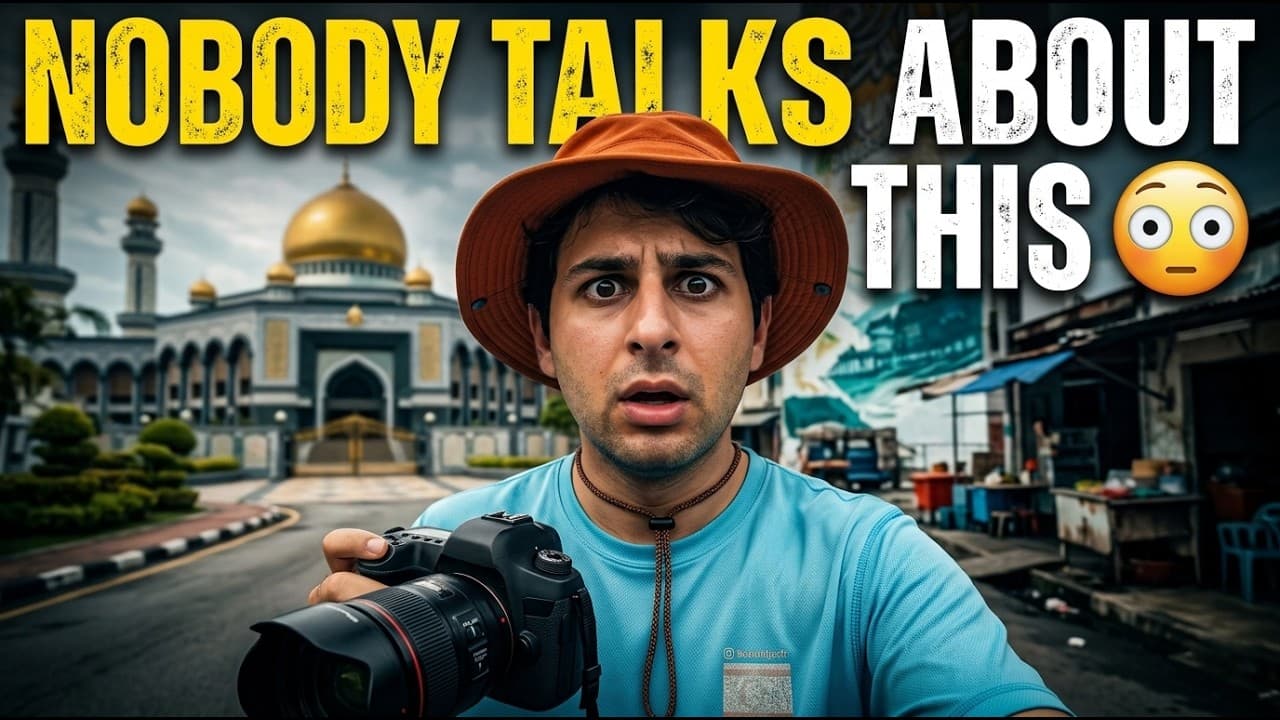
2026年11月10日
Brunei Off the Beaten Path: A Real Travel Guide
By the time we got to the last stretch of our time in Brunei, I'd already decided I wanted this to be an off the beaten path travel guide, not another list of mosques and palaces. We'd just said goodbye to the family who'd hosted us, stepped out of their home, and started walking toward the city center with no real plan beyond seeing what an ordinary afternoon in Brunei actually looked like once you stopped treating it like a checklist of landmarks.
Brunei doesn't get written about very often, and when it does, the coverage tends to repeat the same handful of facts: a small, oil-rich sultanate on the island of Borneo, famously strict about alcohol, famously wealthy per capita, famously quiet compared to its neighbors. All of that is true as far as it goes, but walking through the city center that afternoon, what struck me wasn't any of those headline facts. It was how ordinary the street-level texture of the place felt once we were actually in it: people running errands, shopfronts opening and closing, a rhythm to the day that had nothing to do with the country's reputation and everything to do with people simply living their lives.
We met a handful of locals along the way, the kind of brief, unplanned exchanges that only happen when you're walking instead of being driven somewhere on a schedule. Nobody we talked to seemed particularly used to travelers wandering through on foot, which made the conversations feel less like a tourist transaction and more like two sides genuinely curious about each other. Nothing about it was dramatic. It was just the accumulation of small moments that don't show up in a five-day Brunei itinerary built around photographing the Sultan's mosque and moving on.
The most unexpected stop of the day was the country's only Buddhist temple, tucked into the same city center we'd been wandering through. Brunei is overwhelmingly Muslim and governs itself accordingly, so finding a single Buddhist temple serving the country's small Chinese community felt like stumbling onto a detail most visitors never clock, let alone go looking for. We didn't spend the visit documenting architecture or hunting for the perfect shot. We just stood with it for a while, aware that we were looking at something that exists almost as an exception inside the country's religious landscape rather than a feature of it.
The part of the day that actually stayed with me, though, wasn't the temple. It was sitting down and talking with a group of Bangladeshi workers we crossed paths with in the city. Migrant labor from South Asia keeps a lot of Brunei's economy running quietly in the background, and these were men who'd built an entire working life in a country that wasn't home, far from their own families, doing work that mostly goes unnoticed by anyone passing through on a trip like ours. We talked about travel, about hospitality, about what kindness looks like when you're the outsider in someone else's country, which, strangely, was a position all of us in that conversation shared in different ways. Out of everything that happened in Brunei, that conversation is the one I'd point to first if someone asked me what the country actually felt like from the ground.
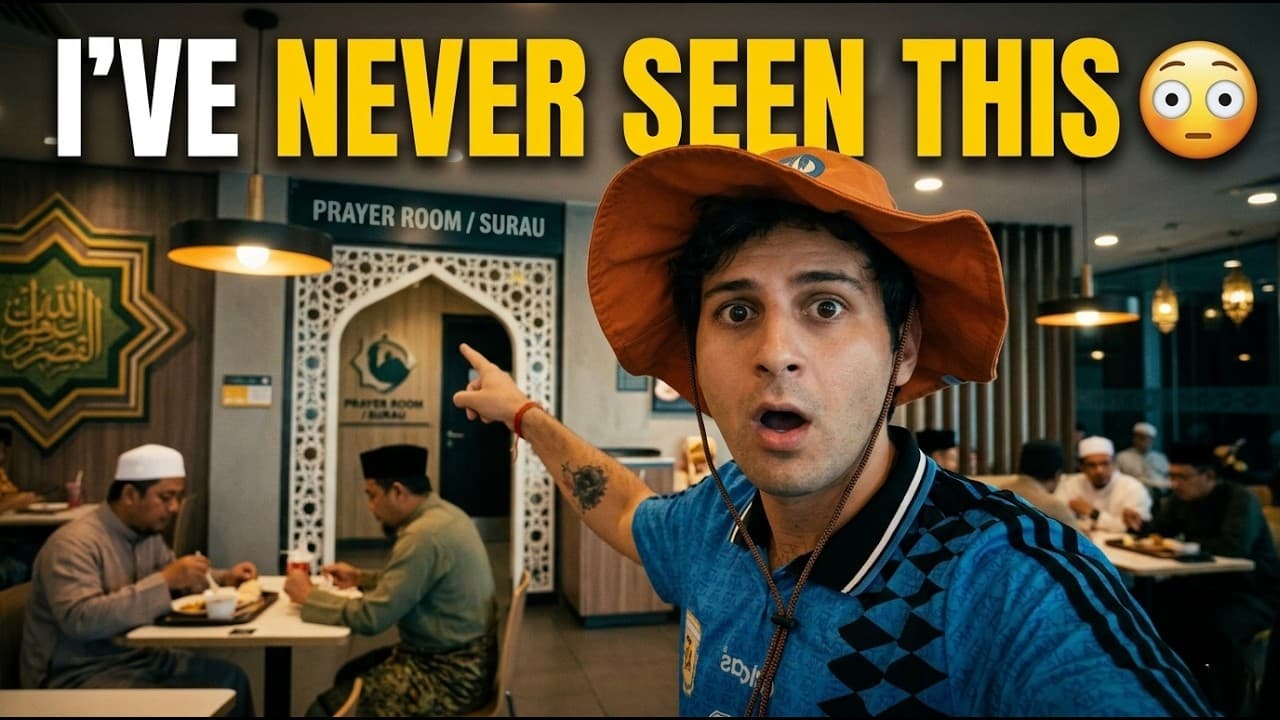
If you're putting together your own off the beaten path travel guide to Brunei, the real advice is less about sights and more about pace. Don't treat the country as a half-day stopover between Malaysian Borneo and your next flight, which is how a lot of travelers end up seeing it. Give yourself time to actually walk through the city center rather than taxi straight between landmarks, since that's where the ordinary, unscripted parts of the country show up. Brunei's capital, Bandar Seri Begawan, is small enough that wandering on foot is a realistic way to see it, and it's the kind of place that rewards exactly that. Expect a quieter, more conservative atmosphere than its Southeast Asian neighbors, no nightlife built around alcohol, and a generally slower tempo to the day. If you get the chance to talk with the migrant worker communities who keep daily life running, take it; it's one of the more honest windows into the country you're likely to get as a visitor.
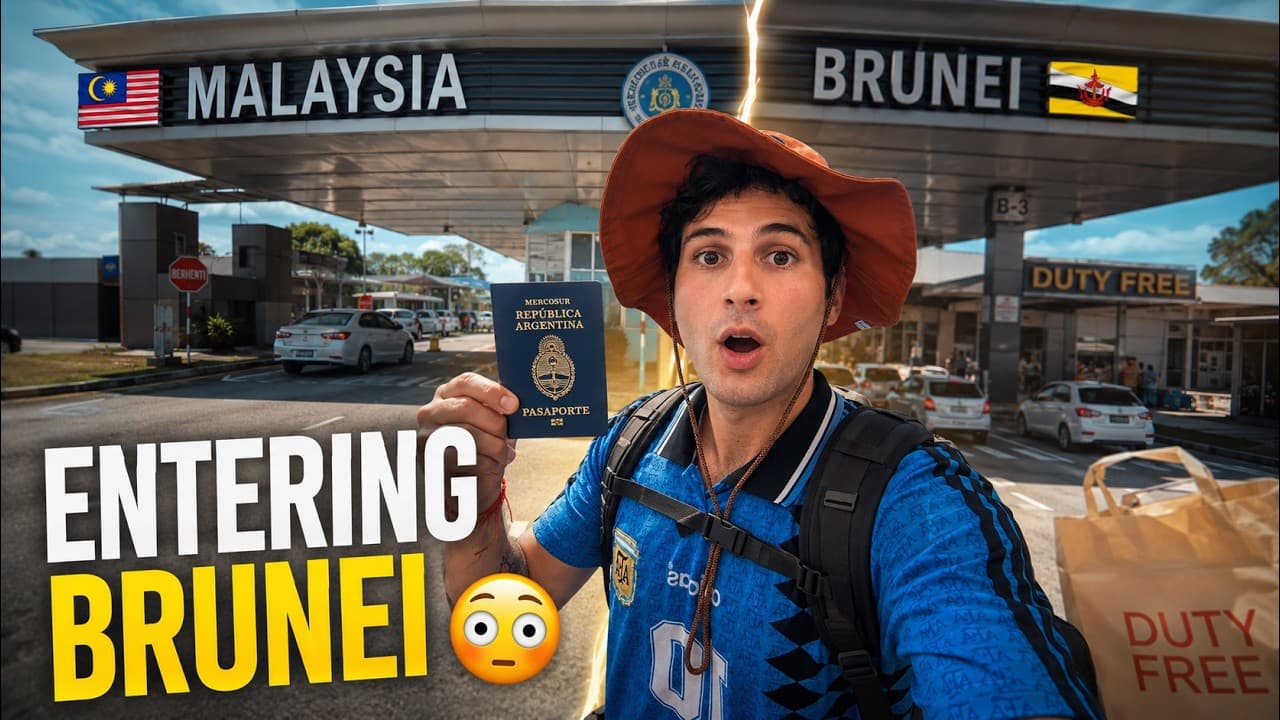
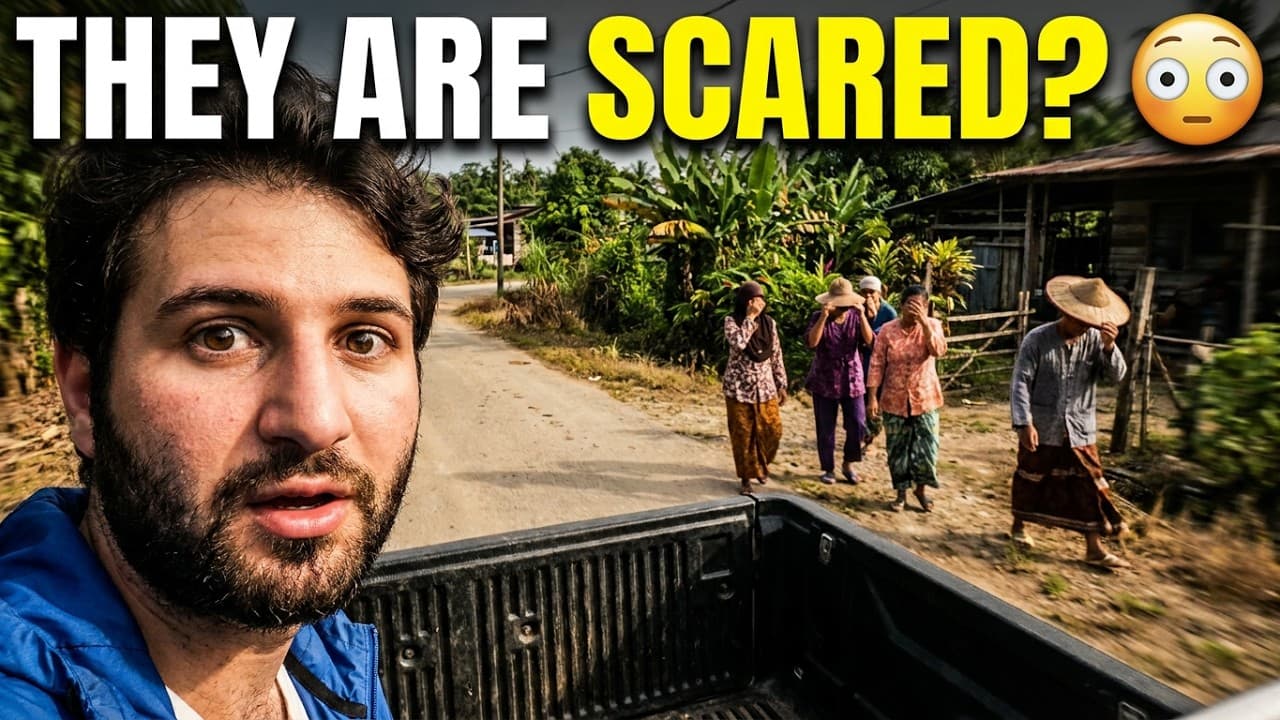
We ended the day the way we'd ended most days on this stretch of the trip: back on the road with our thumbs out, hitchhiking one more time before crossing out of Brunei for good. There was something fitting about leaving the same way we'd arrived at most of our stops, dependent on strangers willing to let us into their cars for a while. Brunei never gave us the dramatic, headline moments that other stops on this trip did. What it gave us instead was quieter and, in its own way, harder to shake: a walk through an ordinary city center, an unexpected temple, and a conversation with workers whose version of Brunei nobody really asks about. That's what an honest, off the beaten path travel guide to this country should actually be about.
最初发布于 YouTube