← 返回博客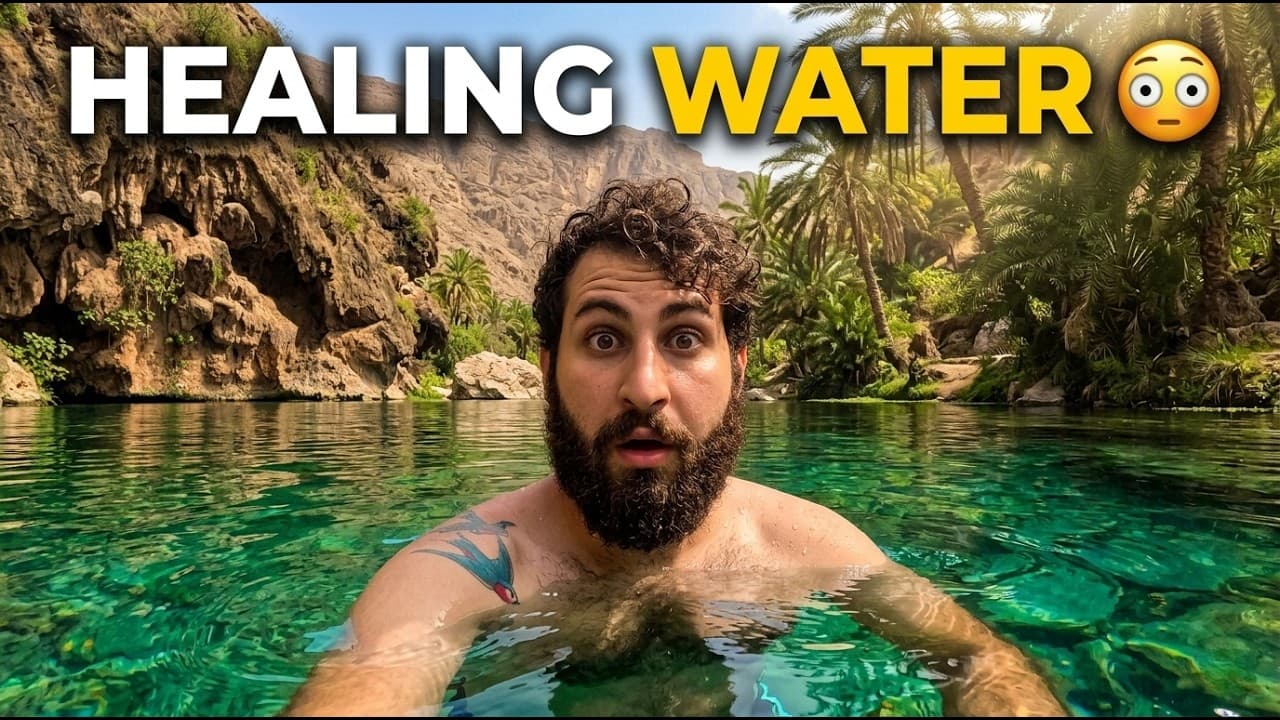
2026年9月26日
Ain Sahlounout: Visiting Salalah's Hidden Natural Spring
I'd heard Salalah described as flat coastline and dry hills for so long that when someone mentioned a hidden spring called Ain Sahlounout, tucked away somewhere outside the city, I almost brushed it off as another rumor travelers pass around. Then I actually found the place, and visiting Ain Sahlounout in Salalah turned into one of the most surprising mornings of my whole trip through Oman.
Getting there wasn't the kind of thing you stumble on by accident. Ain Sahlounout isn't marked with a big sign or a paved parking lot; it's the sort of place locals know about and quietly pass along to whoever asks the right question. I only found out about it because someone I'd been talking with in Salalah brought it up almost as an afterthought, the way you'd mention a favorite restaurant rather than a tourist attraction. That alone told me this wasn't going to be a spot with tour buses and gift shops.
The drive out felt like watching two completely different versions of Oman collide. On one side, the terrain was everything I expected from Salalah — dry, sunburned hills and wide stretches of open desert. Then, almost without warning, the land dipped and there it was: a pool of water sitting calmly in the middle of all that dust and rock, ringed by mountains that made the whole scene feel almost staged. I remember just stopping and staring for a minute before doing anything else, because it genuinely didn't look like it belonged there.
Locals consider Ain Sahlounout a special and relaxing place, and standing at the edge of the water, I understood why immediately. There's something almost meditative about a natural spring appearing out of nowhere in the middle of the desert — the kind of contrast that makes you slow down without meaning to. I ended up doing what anyone would do standing in front of clear, cool water after a hot drive: I got in. Swimming there, with the desert and mountains framing the water on every side, was easily one of the more surreal experiences I've had traveling through this part of Oman.
If you're hoping to visit Ain Sahlounout yourself, the honest answer is that it takes a bit of local knowledge rather than a quick search on a map app. This isn't a spot that's heavily signposted or set up for tourism, so asking around in Salalah — the way I did — is genuinely the most reliable way to find it. Expect a drive out from the city into more rugged terrain, and don't count on facilities, shade structures, or anyone selling snacks nearby; it's a natural site, not a resort. Bring water, wear something you don't mind getting wet, and go in with the expectation that you're visiting a place valued by the people who actually live there, not a polished attraction built for visitors.
Salalah sits in Oman's Dhofar region, an area famous for turning green and misty every year during the khareef, the monsoon season that transforms the usually arid landscape into something almost tropical for a few months. That reputation for surprising contrasts — desert one moment, lush greenery or hidden water the next — is part of what makes a place like Ain Sahlounout feel less like an anomaly and more like a glimpse of a side of Salalah that most visitors never think to look for.
What stuck with me most wasn't really the water itself, as beautiful as it was, but the reminder that Salalah has layers most people never bother to peel back. Everyone who visits sees the beaches, the souqs, maybe the frankincense trees if they're paying attention. Almost nobody hears about a spring like Ain Sahlounout unless they ask the right person at the right moment. If you're spending real time in Salalah rather than just passing through, that's exactly the kind of detour worth making time for — not because it's easy to find, but because it isn't.
最初发布于 YouTube