← Back to blog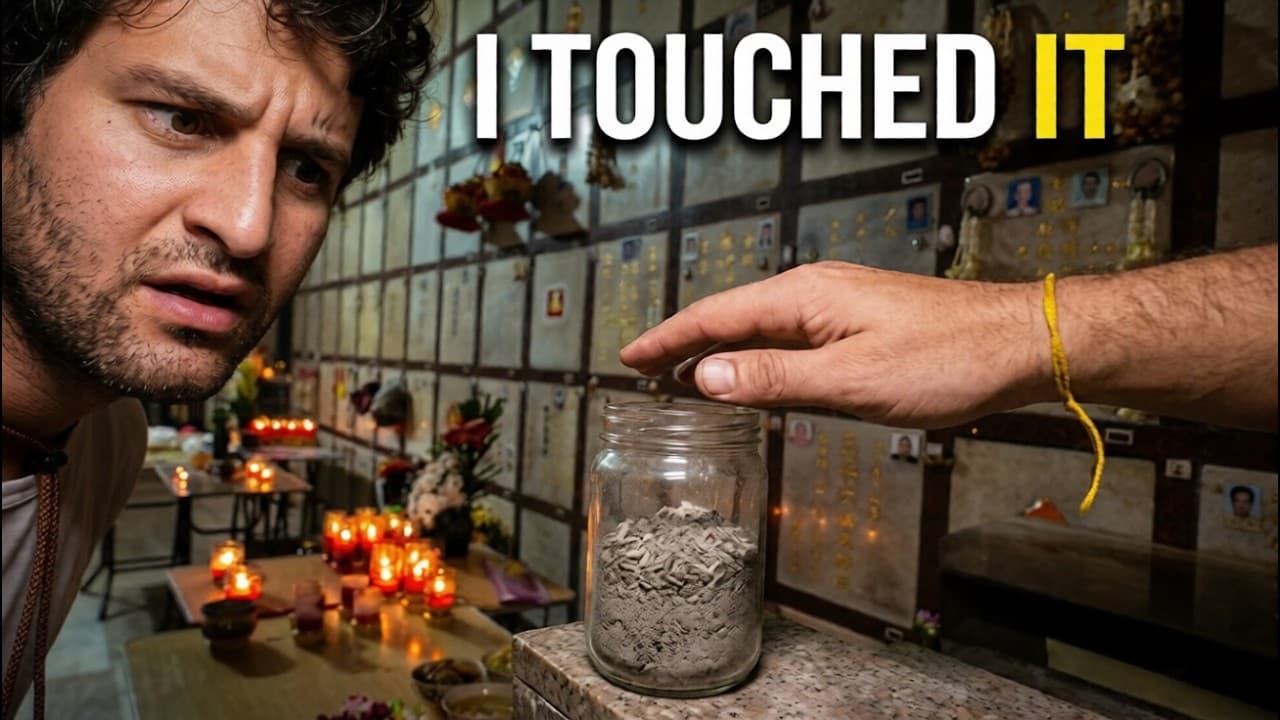
October 25, 2026
Manila's Chinese Ancestral Temple: A Qingming Visit Guide
A few days after walking through Manila's multi-level Chinese cemetery during Qingming Festival, I found myself at a Chinese ancestral temple in Manila, and the shift from graveyard to temple changed everything about how remembrance looked. At the cemetery, memory was built into architecture — mausoleums, air conditioning, whole buildings standing in for a family. At the temple, memory turned out to be something quieter and more immediate: a wall of frames, one for each person being honored, facing the room like a silent audience.
That was the detail that stopped me first. Every frame inside the temple represents a specific person — not a generic shrine, but an individual photograph or memorial tablet set into its own spot on the wall, repeated across what felt like hundreds of names and faces. Walking along that wall meant walking past an entire community's worth of the dead, each one kept present in a way that a simple headstone outside in a cemetery never quite manages. It reframed what I'd seen a few days earlier at the cemetery. The graves held the bodies; the temple, it turned out, held something closer to the ongoing relationship.
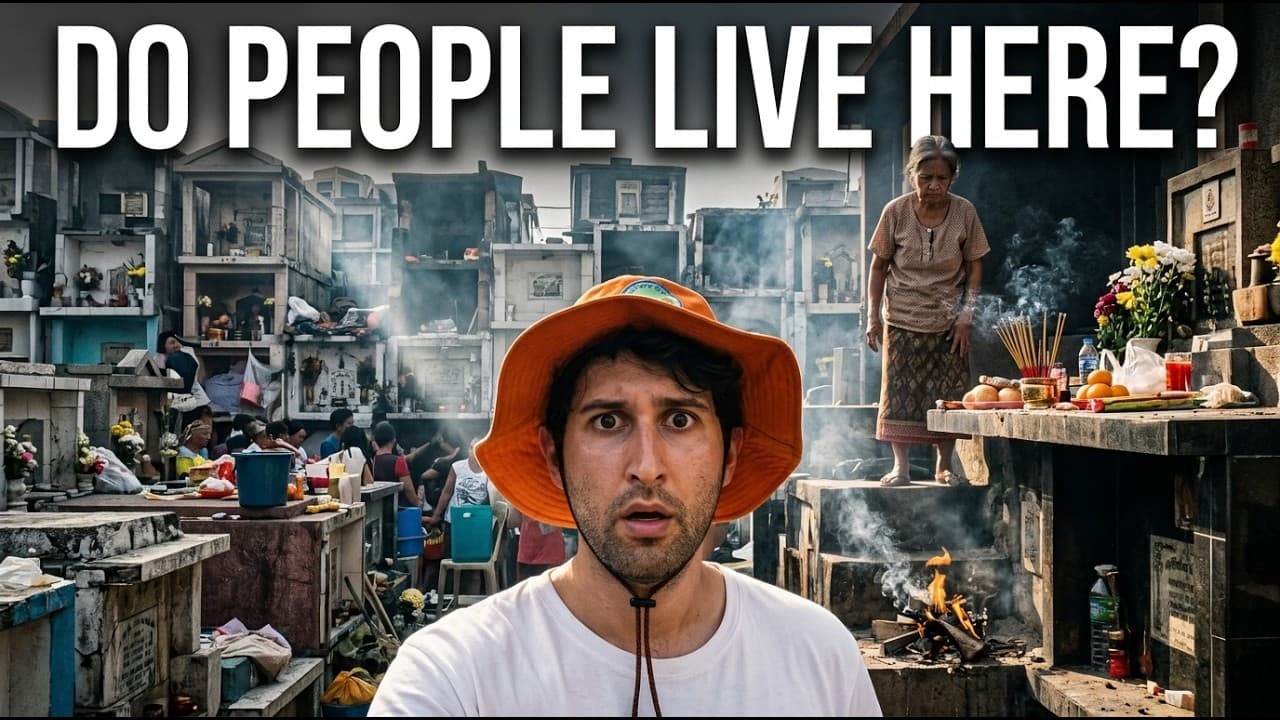
The rituals happening around those frames were the same ones I'd watched at the cemetery, just compressed into a smaller, quieter space. People came in carrying food and drinks, setting them down in front of specific frames the way you'd set a plate in front of a guest. Incense got lit in clusters, smoke curling up past rows of photographs, and the smell of it filled the temple the way it had filled the cemetery grounds days before. None of this looked performative or staged for visitors — it read as routine, the kind of ritual repeated so many times across so many generations that nobody in the room needed instructions for how to do it.
What actually got me thinking, though, was talking to the people who work inside the temple day to day. The cemetery had its caretakers living among the mausoleums year-round, and the temple has its own version of that — people whose job is tending a space built entirely around other people's memories. Spending time with them surfaced something I hadn't expected going in: an ordinary, practical relationship with a place most visitors only ever see as solemn or mysterious. For them, the frames on the wall aren't abstract symbols of mortality, they're closer to a long, literal list of people in their care, each one requiring upkeep, respect, and the occasional conversation with a visiting family member who wants to know their relative is being looked after properly.
If you're planning a visit to a Chinese ancestral temple in Manila yourself, the context matters as much as the building does. These temples exist specifically to extend the Qingming Festival tradition beyond the cemetery — the Chinese tomb-sweeping holiday, typically falling in early April, when families clean graves, burn incense, and bring food for their ancestors. A temple like this one functions as a second, more permanent site for that same relationship: instead of a once-a-year grave visit, families can come whenever they want to sit with a frame, leave food, and burn incense without needing to travel out to a cemetery plot. Visiting during Qingming itself means seeing the temple at its fullest and most active, closer to how it's meant to be used, with multiple families moving through at once and the air thick with incense smoke. Outside that window, expect something closer to a quiet, contemplative space, used steadily by a smaller number of people rather than overflowing with visitors.
Practically, this isn't a tourist attraction in the postcard sense, so go the way you would to any space actively used for mourning: quietly, respectfully, without treating the frames or the people kneeling in front of them as photo opportunities. Ask before photographing anyone mid-ritual, and don't expect English signage or a guided tour — this is a working community temple, not a museum. Give yourself more time than you'd expect; the wall of frames alone rewards slow walking rather than a quick pass-through, and the caretakers, if you get the chance to talk with them, are often the most interesting part of the visit.
What stayed with me walking out wasn't the incense or even the sheer number of frames, it was how directly the temple answered a question the cemetery had only implied. A multi-level, air-conditioned mausoleum says a family wants somewhere permanent to keep their dead comfortable. A temple wall covered in individual frames, tended daily by people who treat it as ordinary work, says something more specific: that remembering someone isn't a single visit, a single festival, or a single building — it's a relationship somebody has to keep showing up for, one frame, one stick of incense, one plate of food at a time.
Originally posted on YouTube