← Back to blog
September 17, 2026
Ithra Dammam Guide: Inside Saudi Arabia's King Abdulaziz Center
My first real introduction to Dammam came through a local friend named Mohammed, who met me on my very first day in the city and decided the best way to show me around wasn't a beach or a market, but a building most first-time visitors to Saudi Arabia don't even know exists. If you're putting together your own Ithra Dammam guide, that's exactly where I'd tell you to start too — the King Abdulaziz Center for World Culture, known locally as Ithra, sitting just outside the city on Dammam's northern edge.
From the outside, Ithra doesn't look like anything else in the region. The building is a cluster of curved, silver-toned volumes that seem to lean into and away from each other, more like a piece of sculpture than a conventional museum or cultural center. Mohammed had been there before and still seemed genuinely excited to bring me through the doors, which told me something before I'd even stepped inside — this wasn't a tourist obligation for him, it was a place he actually wanted to spend time in again.
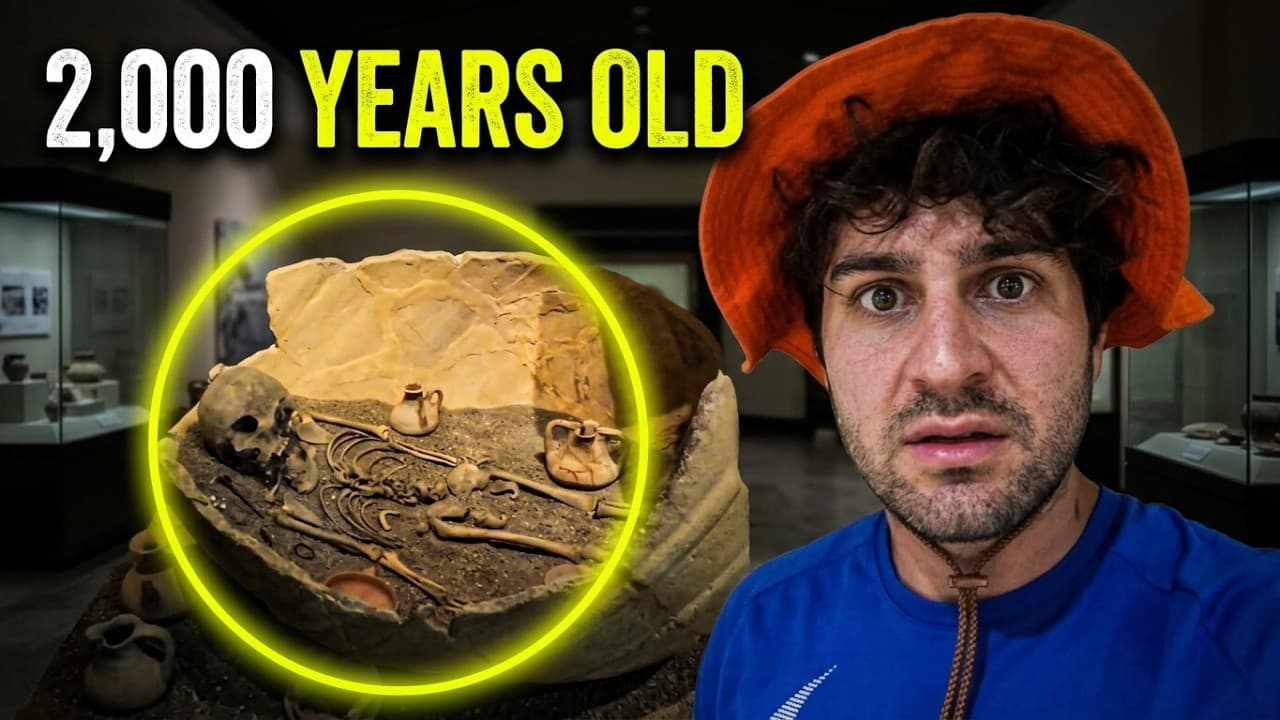
Once inside, the mix Mohammed had promised started making sense almost immediately. Ithra isn't built around a single theme the way a lot of national museums are. Instead it moves between Saudi history, contemporary art, science, and everyday culture in the same visit, sometimes in the same room. One gallery leans into the deeper history of the Arabian Peninsula and the region's transformation over the last century, while another is given over to rotating contemporary art exhibitions that could just as easily be showing in London or Seoul. Walking between the two sections back to back is a strange, effective way to feel how quickly this part of Saudi Arabia has changed, and how much of that change Ithra itself is trying to document and process in real time.
What stuck with me more than any single exhibit, though, was having Mohammed there to fill in the gaps. He wasn't reading placards to me — he was telling me what specific pieces meant to him personally, what parts of Saudi life the exhibits got right, and where he thought a display was aimed more at international visitors than at people who'd actually grown up in the Eastern Province. That kind of running commentary is something no audio guide can give you, and it turned what could have been a fairly standard museum walkthrough into something closer to a conversation about what modern Saudi identity actually looks like from the inside.
I'll admit I went into Dammam with fairly low expectations. It doesn't get anywhere near the attention Riyadh or Jeddah do in most travel content about Saudi Arabia, and I'd assumed my first day there would be a transit stop more than a destination in its own right. Ithra flipped that assumption almost immediately. It's the kind of place that makes a strong case for a city entirely on its own terms, without needing to borrow hype from anywhere else in the country.
Anyone putting together their own Ithra Dammam guide should budget a genuinely unhurried block of time rather than treating it as a quick stop between other plans — the building is large enough, and the exhibitions varied enough, that trying to rush it defeats the point. Ithra sits close enough to central Dammam that getting there from most parts of the city is a short, straightforward trip, and it's designed to be walked through gallery by gallery rather than seen all at once, so pacing yourself matters more than it would at a smaller museum. If you can, do what I did and go with someone who actually knows the country — a local perspective on what you're looking at adds a layer that the exhibits alone, however well designed, can't fully replace.
By the time we left, the sun had shifted enough that the building's silver panels were catching the light completely differently than when we'd arrived, and Mohammed pointed that out too, like it was one more small detail worth noticing rather than rushing past. That's more or less how the whole day went. Dammam turned out to be far more layered than I expected walking in, and Ithra was the reason why — not because it's flashy or because it dominates the skyline, but because it gave me, on my very first day in the city, an actual way into understanding what modern Saudi life looks and feels like from someone who lives it. If you only have time for one stop on a first day in Dammam, this is the one I'd point you toward.
Originally posted on YouTube