← Back to blog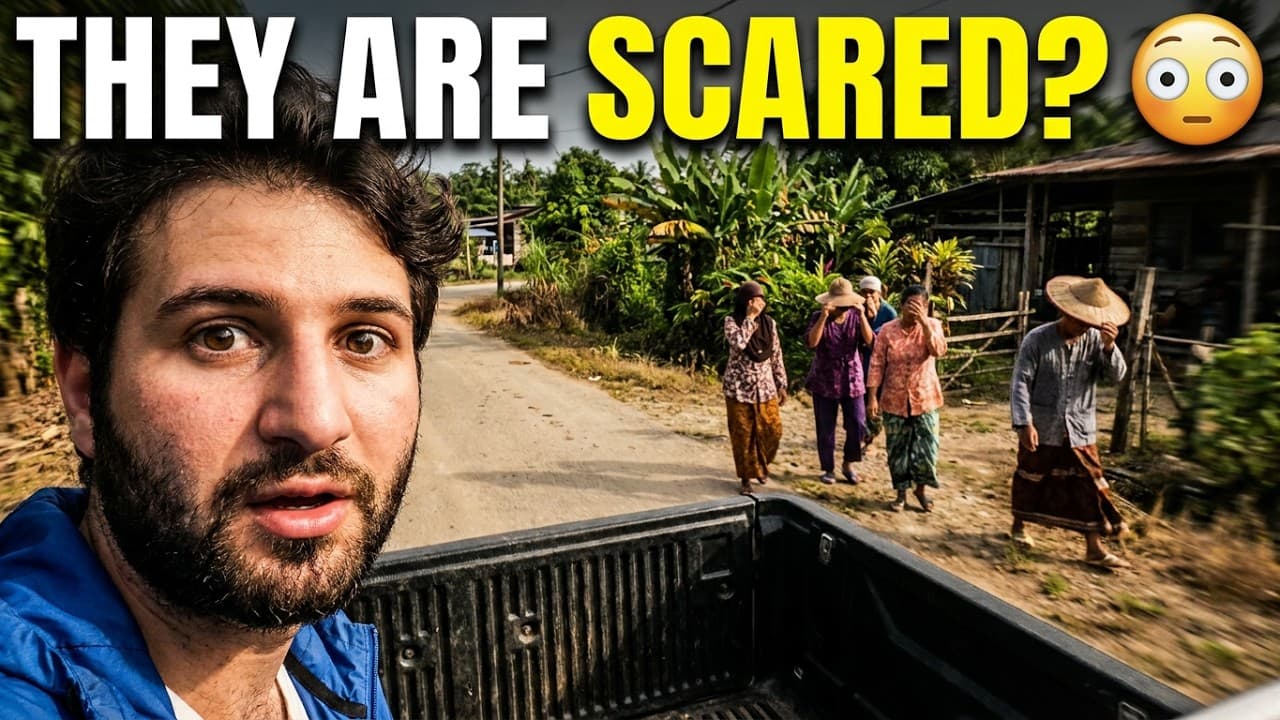
August 26, 2026
Hitchhiking Sibu to Bintulu: A Sarawak, Malaysia Guide
Hitchhiking from Sibu to Bintulu in Sarawak, Malaysia turned into one of the funnier, more unpredictable stretches of a slow trip along Borneo's coast, not because of one big dramatic moment, but because of how many small, unplanned ones stacked up inside a single day.
The day started with waking up in a park, then a simple breakfast before getting back to the business of finding the next ride. Sibu itself sits on the Rajang River and is often treated as the gateway into Sarawak's interior, so leaving it by thumb rather than by express bus already meant seeing the town differently than most visitors do.
Getting back on the road meant falling into the rhythm that hitchhiking through Malaysian Borneo tends to demand: patience, a willingness to ask strangers for small favors, and no fixed schedule. At one point, water ran low, and the fix was walking into a municipal building and simply asking, a reminder that along this stretch of Sarawak, local government offices can double as an easy, low-drama place to refill a bottle when there's no shop nearby. Not long after, a ride came through in the back of an open pickup truck, no windows, no air conditioning, just wind and heat and the Sarawak coastline going by in every direction.
The most memorable ride of the day was still ahead. A friendly driver picked them up and carried them across Bintulu's new bridge, the kind of crossing that would otherwise have meant standing at a roadside for who knows how long, solved instead by one stranger going out of his way. Bintulu itself is worth a beat of context: it's better known across Malaysia as an energy town, home to one of the country's largest liquefied natural gas processing operations, than as a stop on any tourist itinerary, which made arriving there on hitchhiked rides feel like seeing a side of the town most travelers never bother with.
The funniest moment of the day happened somewhere far more mundane than a jungle road or a river crossing: a McDonald's. Workers behind the counter looked nervous, and some of them genuinely ran off, apparently because they'd never actually seen tourists before. It's a small, telling detail about how far this stretch of Sarawak still sits from the standard backpacker route; a fast-food counter that most travelers would treat as the least interesting place in any city became, here, a real novelty for the people working it. The nervousness didn't last. Talking turned into something closer to friendship, and by the end there was even an introduction to the restaurant's manager, a small, human reset button on a day that had already run through heat, thirst, and an open truck bed.
For anyone considering hitchhiking this same stretch from Sibu to Bintulu, the practical shape of the day probably matters more than any single tip. Expect a genuine mix of ride types and a fair amount of waiting between them. Expect to solve small logistics, like finding water, on the fly rather than planning them out in advance, asking at a municipal building worked here, and it's the kind of low-key resource most guidebooks won't mention. And expect that showing up somewhere as ordinary as a fast-food counter can still catch the people working there off guard. Bintulu and Sibu both sit along Sarawak's main coastal corridor, which makes the pairing a natural overland route, but neither city runs on hitchhiker infrastructure the way some backpacker circuits do elsewhere in Southeast Asia. Rides here come from goodwill and curiosity, not from any established system, which is exactly what makes a day like this slower and more chance-driven than jumping on a bus between the two.
What stays with you afterward isn't the bridge or the truck bed, it's the pattern underneath all of it. Nearly everyone who stopped, from the driver who crossed the new bridge out of his way to the McDonald's staff who eventually came around, turned out generous once the initial hesitation wore off. Another unforgettable day traveling through Sarawak, and a reminder that the parts of a trip that don't go according to plan are usually the ones actually worth writing down.
Originally posted on YouTube